
128 MB of 3D V-Cache
An additional stacked cache die brings L3 to 128 MB, so more of a hot working set stays on the chip instead of waiting on main memory.
Core series · 3D V-Cache
3D V-Cache and 5.7 GHz boost.
$399/mo
Ready in minutes
Excluding taxes · no setup fee · cancel anytime
Overview
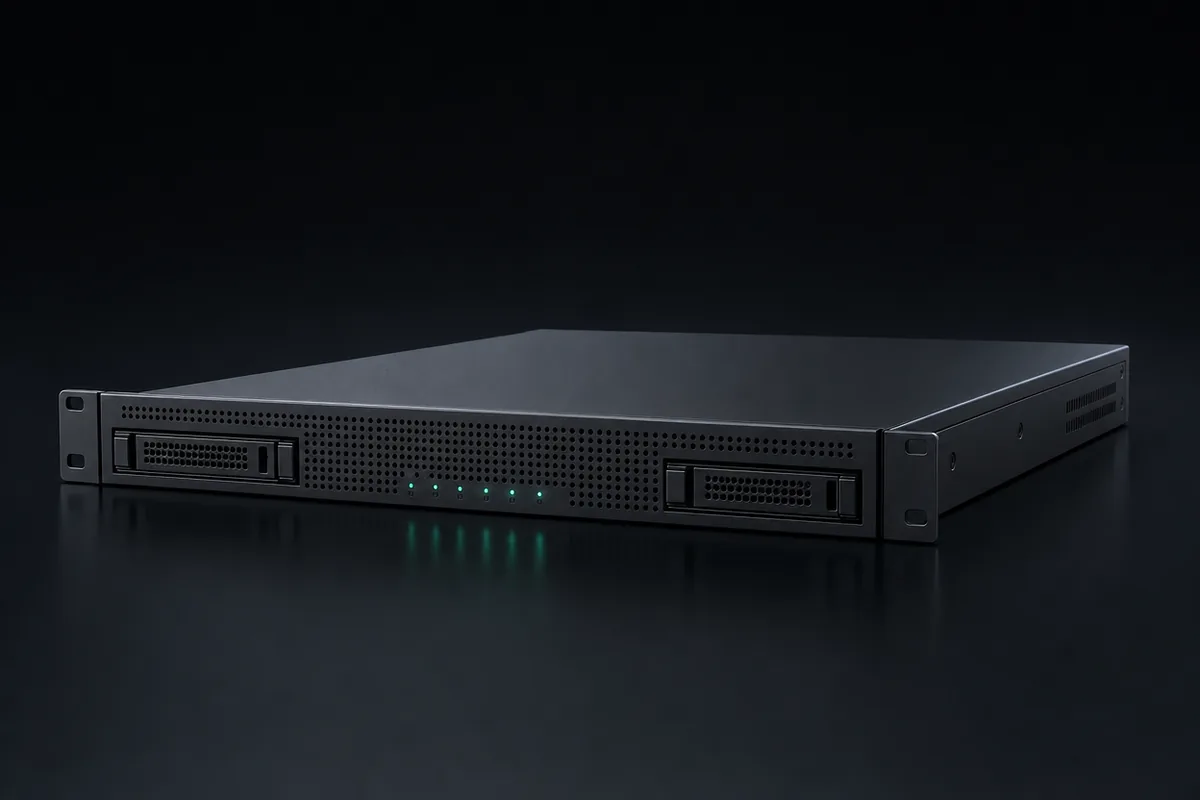
Core 16X runs the AMD EPYC 4585PX, a 16-core Zen 5 processor with 3D V-Cache for 128 MB of L3, twice that of Core 16, and boost clocks up to 5.7 GHz. With 192 GB of DDR5 ECC and 2 × 3.84 TB of NVMe, it targets game servers, simulation and latency-sensitive applications that reward high clocks and a large cache. It costs $399/mo and is ready in minutes in all 10 locations.
Ideal for
An additional stacked cache die brings L3 to 128 MB, so more of a hot working set stays on the chip instead of waiting on main memory.
The highest clocks in the lineup, for single-threaded game loops, trading logic and request handling.
50% more memory than Core 16, plus 7.68 TB of raw NVMe Gen4 across two drives.
Specifications
| Processor | AMD EPYC 4585PX128 MB L3 · 4.3 / 5.7 GHz |
|---|---|
| Cores / threads | 16 cores / 32 threads |
| Memory | 192 GB DDR5 ECC2 memory channels (EPYC 4005) |
| Storage | 2 × 3.84 TB NVMe Gen4 |
| Network port | 10 GbpsUnmetered traffic, inbound and outbound |
| IP addresses | 1 IPv4 + /64 IPv6Additional IPv4 on request |
|---|---|
| DDoS protection | Always on, included |
| Out-of-band access | IPMI and HTML5 KVM console |
| Operating systems | Ubuntu, Debian, AlmaLinux, Rocky Linux, Windows Server, Proxmox VEOr any custom ISO through the KVM console |
| Delivery | Ready in minutesPre-racked and burn-in tested, usually within 15 minutes of payment |
| Billing | $399 per monthNo setup fee, no contract, excluding taxes |
Availability
 New YorkUS EastAshburnUS EastDallasUS CentralLos AngelesUS West
 AmsterdamNetherlands
 FrankfurtGermany
 LondonUnited Kingdom
 SingaporeSingapore
 TokyoJapan
 SydneyAustralia
Pre-racked in every available city and usually delivered within 15 minutes of payment. Pick a city to start your order there.
Compare
| Core seriesCore 16 | Core series · this serverCore 16X | Pro seriesPro 32 | |
|---|---|---|---|
| Price | $299/mo | $399/mo | $749/mo |
| Processor | AMD EPYC 4545P | AMD EPYC 4585PX | AMD EPYC 9355P |
| Cores / threads | 16 / 32 | 16 / 32 | 32 / 64 |
| Memory | 128 GB DDR5 ECC | 192 GB DDR5 ECC | 384 GB DDR5-6000 ECC |
| Storage | 2 × 1.92 TB NVMe Gen4 | 2 × 3.84 TB NVMe Gen4 | 2 × 3.84 TB NVMe Gen5 |
| Port | 10 Gbps unmetered | 10 Gbps unmetered | 25 Gbps unmetered |
| Delivery | In minutes | In minutes | In minutes |
| Locations | 10 | 10 | 8 |
| Action | View Core 16 | Deploy | View Pro 32 |
FAQ
It helps workloads whose frequently used data is larger than a normal L3 cache but fits in 128 MB: game server simulation, physics and pathfinding, some databases and in-memory caches, and many simulation and EDA tools. Code that streams through large datasets or waits on disk or network gains little. If you are unsure, test your workload for a month; there is no long-term contract.
Yes, it is the configuration to start with for most game servers: 16 cores at up to 5.7 GHz, a large cache for the simulation loop and 192 GB of memory for several instances. Every IP has always-on DDoS protection, the 10 Gbps port has unmetered traffic, and Core 16X is available in all 10 locations, so you can host close to each player base.
Mirror them with software RAID 1, using mdadm or ZFS, for 3.84 TB of redundant storage, which is the usual choice in production. If your application replicates data itself or you keep backups elsewhere, use them separately for 7.68 TB.
Yes. Windows Server is one of the one-click OS images, alongside Ubuntu, Debian, AlmaLinux, Rocky Linux and Proxmox VE, which matters for game servers that ship Windows-only builds. You can also boot any custom ISO through the HTML5 KVM console.
Usually ready within 15 minutes of payment, with unmetered traffic, DDoS protection and IPMI included.